
Teams working through the software development lifecycle (SDLC) commonly want to understand the time needed to shift left and make incremental improvements to the overall experience. To spark collaboration with your team, consider a simplified user experience (UX) framework for designing, evaluating, and interacting with a digital product called the Chords of UX.
The concept consists of organizing an interface into objects, packages, and transitions - together these three things form a chord. In music theory, a chord is any harmonic set of pitches consisting of multiple notes that are sounded simultaneously. When designing an interface, the same concept can be applied to create a harmonic experience.
Chords of UX Design
- Objects - anything that can be placed on a screen, e.g., buttons, form elements
- Packages - anything that contains all the objects, e.g., grids, columns, pages, screens
- Transitions - anything that moves objects or packages from one to another, e.g., animations, error states
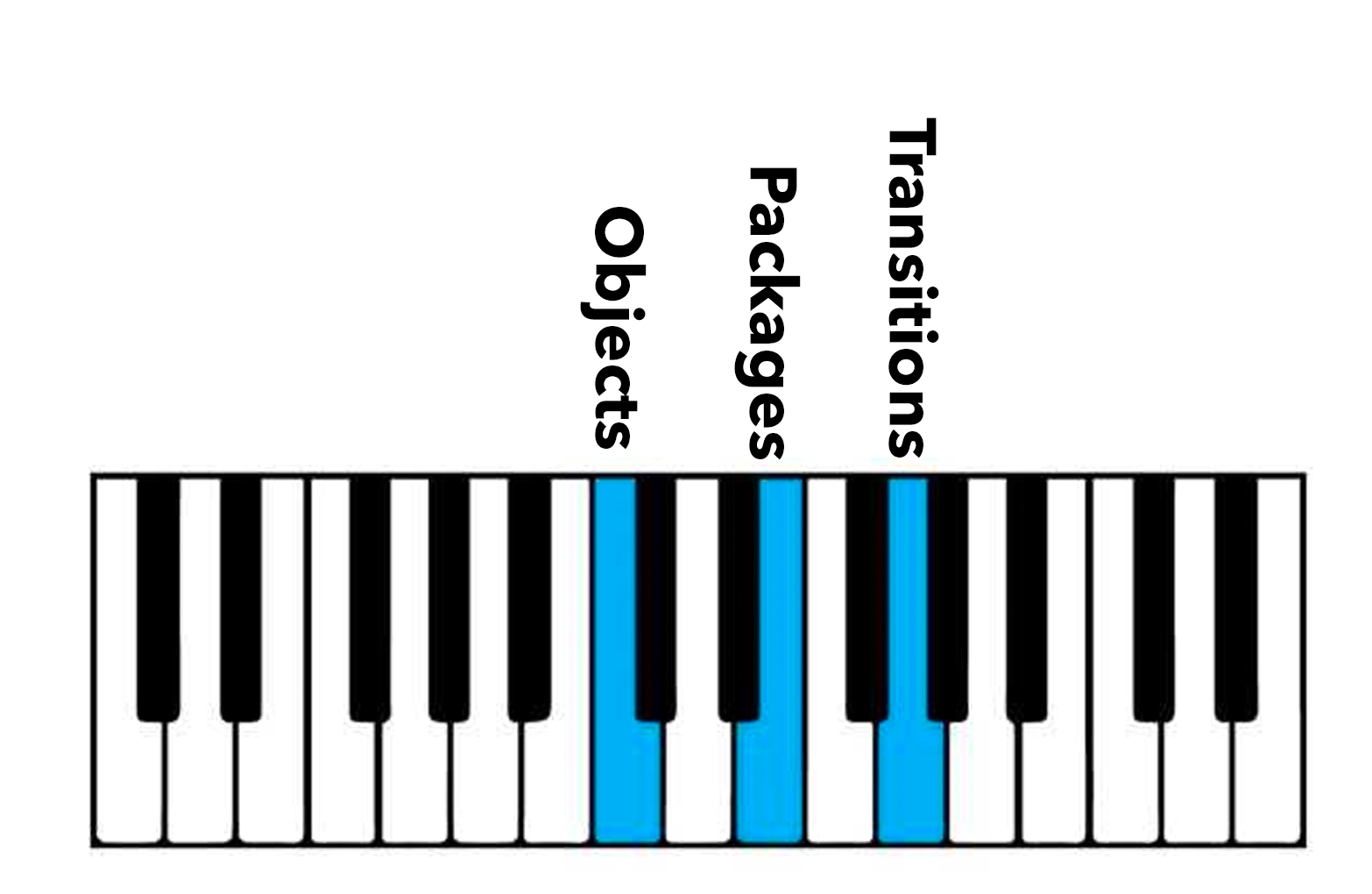
Jesse James Garrett introduced The Elements of Experience in 2000 which I have endlessly referenced throughout the last two decades to teach others about how UX Design works. The Chords of UX is a simplistic way to understand a layered approach to design, user-centered philosophy, and practical methodologies.
As a UX professional, the key attributes to succeed are collaboration, process skills, technical skills, abstract thinking, designing interfaces, conducting research, managing stakeholders, presenting design decisions, and finding creative ways to solve a problem. It is important to have an elevator pitch to explain to others the value of UX - try the Chords of UX as an answer.

This is a brilliant idea ... a great holistic approach to UX while viewing the individual pieces